Flat Fee Upfront Pricing Specialist (480) 447-7550

Why Your Water Heater Sounds Like A Popcorn Machine
Scottsdale and the Greater Phoenix area are notorious for hard water. Hard water not only can be bad for your skin, but it can also be detrimental to your water heater.
Water Heater Pete
2/13/20263 min read
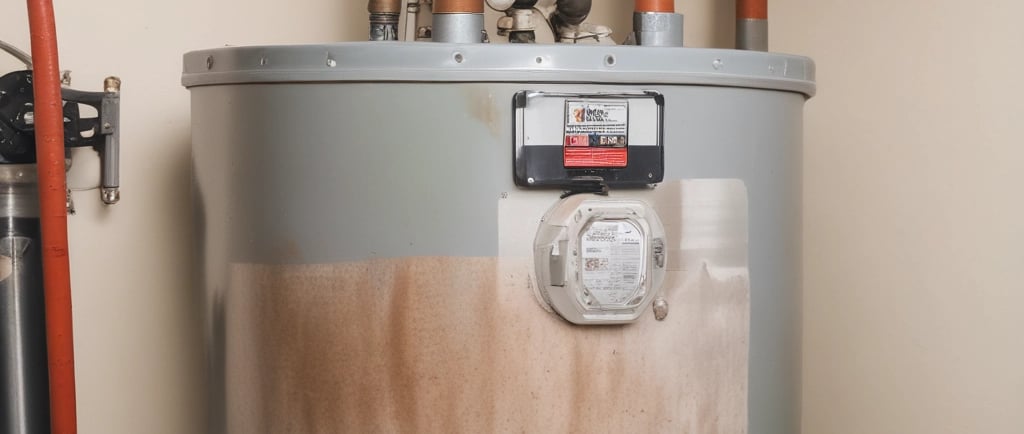
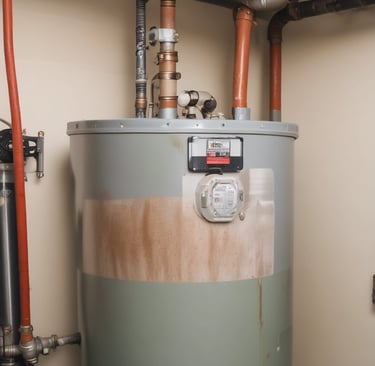
Why Your Water Heater Sounds Like A Popcorn Machine: A Scottsdale Hard Water Diagnostic
If your water heater is popping, rumbling, or banging like a movie theater popcorn machine, it’s not just "getting old"—it’s trying to tell you something. In Scottsdale, that message is almost always: “I’m drowning in hard water sediment.”
At Water Heater Pete, I see this every single week. Here is why your heater is making noise and why ignoring it could lead to a flooded garage.
Why Scottsdale Water Heaters Start Popping and Rumbling
It’s no secret that Scottsdale has some of the hardest water in the country, often clocking in at 16 to 25 grains per gallon. That water is packed with minerals like calcium and magnesium.
Every time your heater fires up, those minerals bake out of the water and settle at the bottom of the tank. After a few months of heavy winter use, that layer of "calcium snow" gets thick.
The Science of the "Pop": When the burner fires, it has to heat through that thick blanket of sediment first. Tiny pockets of water get trapped under the scale, superheat into steam, and then "burst" through the sediment layer. That’s the popping and crackling you hear—it’s literally mini-explosions happening inside your tank.
💡 Pete’s Pro Tip: The "Hiss" vs. The "Pop"
If you have an electric water heater and it sounds more like a "hissing" tea kettle than popcorn, your lower heating element is likely buried in a foot of sediment. It’s "cooking" the minerals instead of the water, which is a fast track to a burned-out element.
Why Sediment is the #1 Enemy of Your Water Heater
The noise is annoying, but the internal damage is the real "wallet-killer." In our Scottsdale climate, sediment buildup causes three major issues:
Sky-High Energy Bills: Your heater has to run longer and hotter just to get through the "mud" at the bottom of the tank.
Tank Fatigue: Heating through sediment causes the bottom of the tank to overheat. This weakens the steel and is the leading cause of tank cracks and bottom-seal leaks.
Slow Recovery: If you’ve noticed you’re running out of hot water halfway through a shower, sediment is likely taking up 10–20% of your tank's actual water capacity.
The 4-Point Scottsdale "Hard Water Check"
You don’t need a toolbox to diagnose your system. Just ask yourself:
The Sound Test: Do I hear knocking or rumbling when the heater kicks on?
The Shower Test: Am I losing hot water faster than I did last year?
The Bill Test: Have my gas or electric bills crept up without a change in usage?
The Calendar Test: Has it been more than 12 months since my last professional flush?
If you answered “Yes” to any of these, your water heater is begging for a maintenance visit.
Why a Professional Flush Beats a "DIY Drain"
I hear it all the time: "Pete, I opened the valve and a little water came out, but it's still noisy." Draining a gallon of water doesn't work because Scottsdale sediment is often compacted and "baked on." A professional water heater flush from a specialist involves:
High-Pressure Agitation: Breaking up the hardened scale so it actually leaves the tank.
Component Inspection: Checking the anode rod (your tank's "lightning rod" for corrosion) to see if the hard water has eaten it away yet.
Valve Check: Ensuring your T&P (Temperature and Pressure) valve isn't seized up by mineral crust.
FAQ: Common Questions from Scottsdale Homeowners
Is a noisy water heater dangerous? It’s rarely an immediate "explosion" risk, but it is a sign of extreme stress. It’s the "Check Engine" light of your plumbing system. Ignore it, and you’ll likely be dealing with a water heater replacement sooner than you planned.
How often should I flush my heater in Arizona? In Scottsdale and Maricopa County, I recommend a professional flush every 12 months. If you don’t have a whole-home water softener, every 6 months is even better to maximize the life of your unit.
Will a flush fix the noise for good? A thorough flush usually quiets the tank immediately. However, since Scottsdale water stays hard, the minerals will return. Regular maintenance is the only way to keep the "popcorn" out of your plumbing.
Don’t Let Sediment Crack Your Tank—Call Pete!
If your water heater is screaming for help, don't wait for a puddle to form on your floor. A simple maintenance flush can save you thousands in premature replacement costs.
Get your system back to quiet, efficient operation. [Click Here to Schedule Your Scottsdale Water Heater Flush with Pete] or call 480-447-7550 today!
Call us today to book an installation:
Book an Installation Online:
Leave us a review:
© 2026. All rights reserved.
Doing Business As Fix It Floyd, LLC




4% Fee for credit card