Flat Fee Upfront Pricing Specialist (480) 447-7550

Water Heater Life Span
Blog post description.
Water Heater Pete
1/8/20262 min read
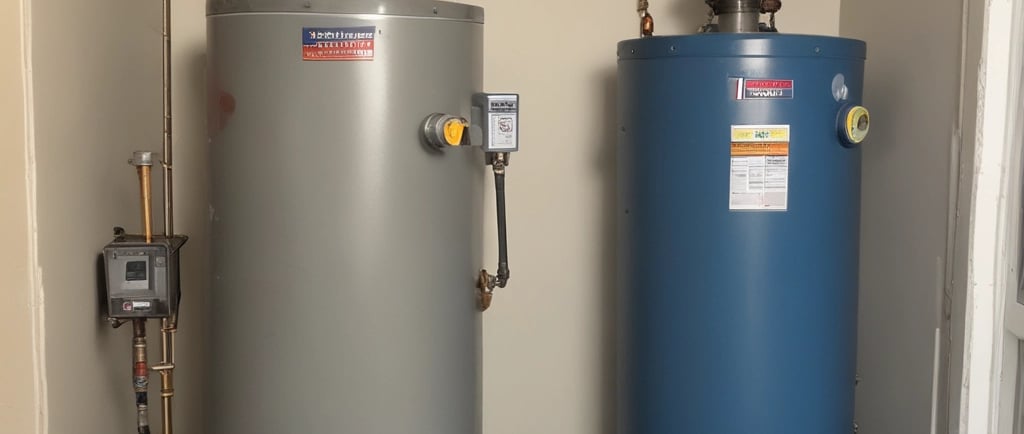
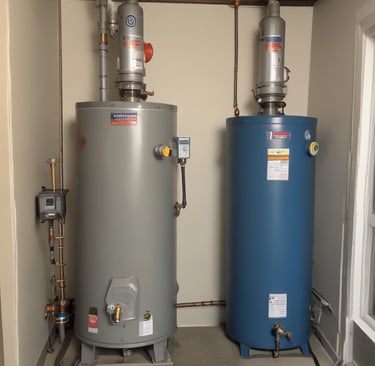
How Long Does a Water Heater Actually Last?
(And How to Tell When Yours Is Near the End)
Most homeowners don’t replace a water heater because they want to. They replace it because it stops working—usually at the worst possible time.
The reality is that water heaters rarely fail without warning. The signs are usually there long before the unit quits completely. The problem is that most people don’t know what those signs are or what they mean.
This guide explains how long water heaters typically last, why some fail earlier than expected, and how to tell when yours may be nearing the end of its life.
The Real Lifespan of a Water Heater
Under normal conditions, most water heaters fall into predictable ranges.
Tank water heaters typically last 8–12 years.
Tankless water heaters often last 15–20 years.
Gas units may wear slightly faster due to higher operating heat.
Electric units often last a bit longer, all else being equal.
These are averages, not guarantees. Installation quality, water quality, and daily usage all play a role in how long a unit actually lasts.
Why Some Water Heaters Fail Earlier Than Expected
Early failure is rarely random. In most cases, it comes down to a few common factors.
Hard water can cause mineral buildup inside the tank, which accelerates internal wear.
Poor or rushed installation can place unnecessary stress on the unit from day one.
Heavy daily usage in larger households shortens overall lifespan.
Lack of maintenance allows sediment to build up and reduce efficiency.
Many water heaters deteriorate slowly over time, long before any obvious problem appears.
Common Warning Signs Homeowners Miss
Most water heaters give subtle signals before they fail completely.
Hot water doesn’t last as long as it used to.
Water temperature becomes inconsistent.
The unit begins making popping or rumbling noises.
Rust-colored water appears at hot taps.
Recovery time between uses becomes noticeably slower.
These signs don’t always mean immediate failure, but they do indicate aging components and increased risk.
When Replacement Makes More Sense Than Repair
There is a point where repair stops being the smart option.
Replacement is usually the better choice when the unit is 8–10 years old or older, repairs are becoming more frequent, repair costs start approaching replacement cost, or there are visible signs of corrosion or tank deterioration.
At this stage, repairs typically buy time, not reliability.
What Homeowners Should Do Before a Water Heater Fails
The best time to think about replacing a water heater is before it stops working.
Homeowners can reduce stress and avoid rushed decisions by checking the age of the unit, knowing whether it is gas or electric, understanding where it is installed, and planning replacement on their own timeline instead of during an emergency.
Emergency replacements limit options and increase pressure.
The Bottom Line
Water heaters don’t last forever, but they also don’t fail without reason.
Understanding typical lifespan and early warning signs allows homeowners to plan ahead, compare options, and make informed decisions without pressure. That almost always leads to better outcomes than reacting after a failure. Why Neighbors Choose Pete "Stop falling for the bait-and-switch. Too many big-box competitors rely on predatory pricing tactics to get in your door, only to jack up the rate when you have no other choice. Water Heater Pete was built to end that. We offer 100% Flat Fee Pricing. No hourly guessing games, no 'surprise' trip charges, and absolutely no predatory sales tactics. Just expert service and a transparent price tag you can trust from the moment you call."
Call us today to book an installation:
Book an Installation Online:
Leave us a review:
© 2026. All rights reserved.
Doing Business As Fix It Floyd, LLC




4% Fee for credit card